A Better Rack Was 150 Years in the Making
THE RACK EVOLUTION
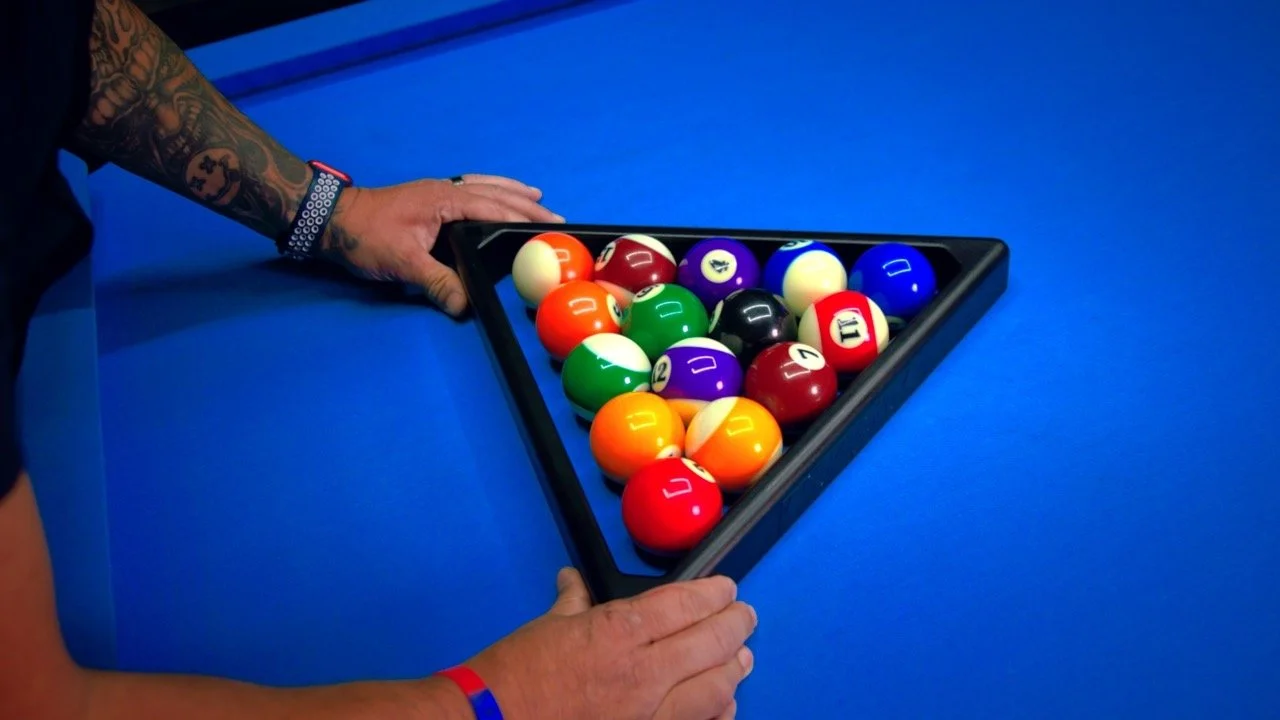
For more than a century, players have been trying to solve the same fundamental problem: how do you create a rack that's not only tight, but perfectly positioned and aligned every single time?
Lock & Load was built to finally answer that question.

It started with the triangle.
The triangle rack emerged around 1870 and quickly became one of the most important advancements in billiards.
It gave players a simple, effective way to group the balls and create a tight rack. But even this revolutionary idea came with an inherent flaw:
The rack was only as accurate as the person positioning it.
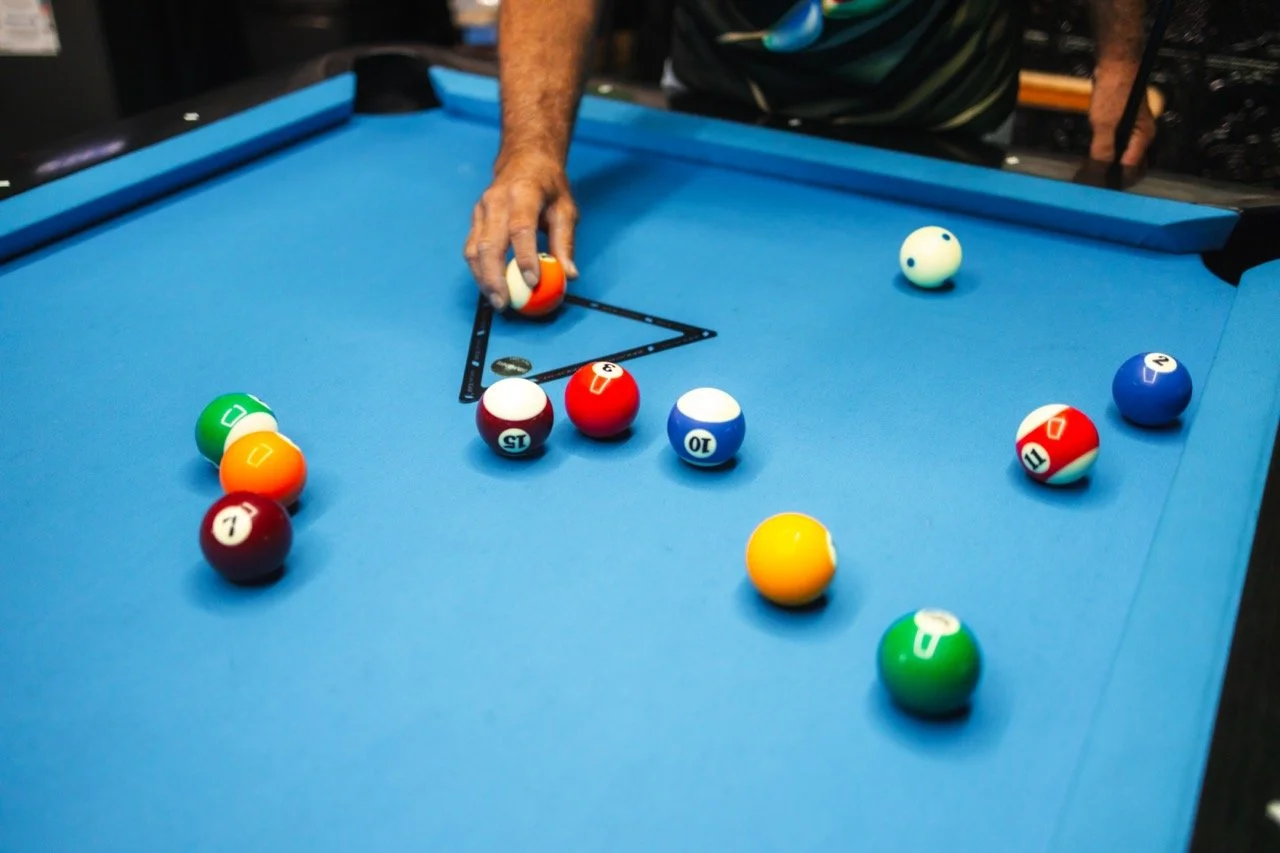
Every player had to visually determine where the rack belonged. A little left. A little right. Slightly off-center. Human judgment became part of every rack—and no two were ever positioned exactly the same.
Designs tested over time.
For generations, inventors have tried to improve the racking process. New designs, materials and systems have addressed different parts of the problem, but one variable has remained:
Where, exactly, does the rack go?
Template-style racks helped create tighter contact between the balls and became widely used in competitive play. But achieving a tight rack is only part of the equation.
For a truly repeatable rack, three things have to happen:
Perfect position. Perfect alignment. Perfect contact.
February 5, 2026
THE EUREKA MOMENT
What if the table itself could determine exactly where the rack belongs?
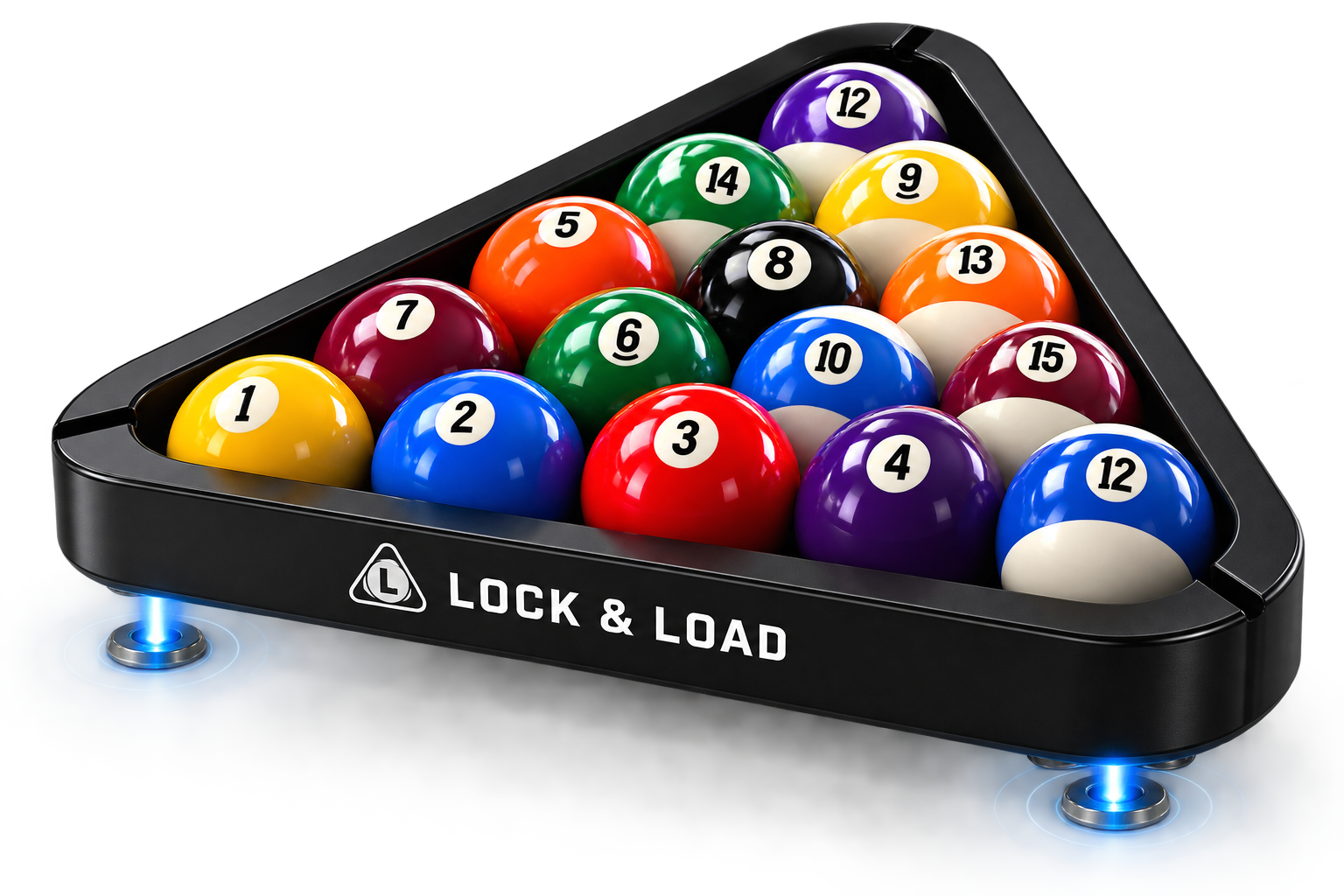
The idea was remarkably simple: embed powerful rare-earth magnets beneath the cloth at precisely calculated positions, then pair them with three equally spaced magnets built directly into the rack.
Bring the rack into position: Lock. Load. Done.
The rack naturally finds its intended position and alignment. No eyeballing. No adjusting. No guesswork.
The Lock & Load Magnetic Racking Technology was born.
PATENT PENDING

Perfectly Positioned Every Time
Lock & Load doesn't just create a tight rack.
It creates a repeatable rack.
The magnetic system brings the rack back to the same predetermined position and alignment, break after break. Once it's locked into place, the balls can be racked tightly and consistently.
Positioned. Aligned. Tight. The first time, every time.

The Next Evolution of the Rack
More than 150 years after the triangle transformed billiards, Lock & Load takes on the problem that traditional racks couldn't eliminate: the human variable.
It's a simple idea built around precision, consistency, repeatability, and a fundamentally different way to think about racking a game of pool.
Ready to Lock & Load?